

Video of the incident sparks debate on social media over religious freedom and constitutional right
RISHIKESH — A controversy has emerged in the Uttarakhand city of Rishikesh after members of the Bajrang Dal objected to congregational namaz being offered inside a private house, prompting a police complaint and triggering a wider debate on religious freedom and the rights of citizens to practise their faith.
The incident came to light after videos from the site circulated on social media, showing activists questioning the gathering and demanding action from the local administration.
According to local reports, a group of Muslims had assembled inside a residential property in Rishikesh to offer prayers. After receiving information about the gathering, Bajrang Dal activists reached the location and objected to the congregational namaz, claiming that such activities required scrutiny by the authorities.
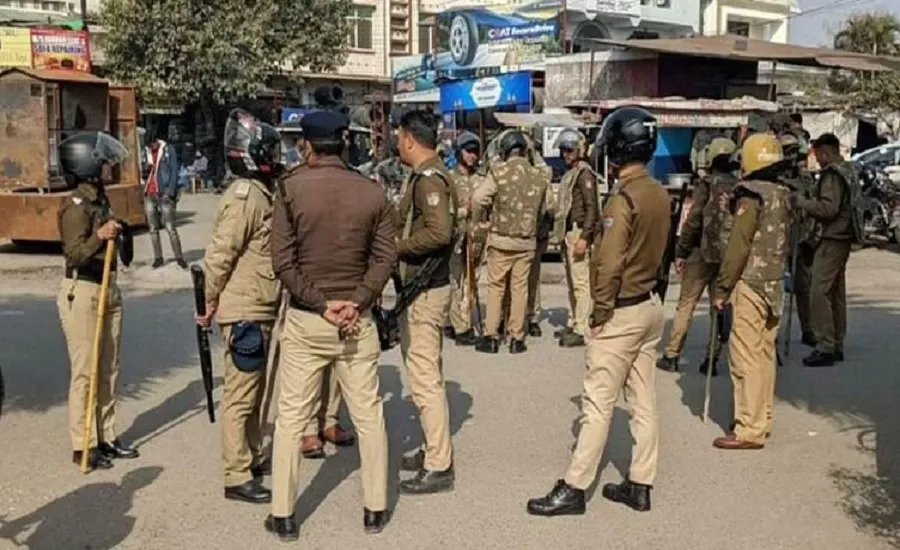
The matter has since generated strong reactions online, with many users, civil rights advocates and members of the minority community arguing that the Constitution guarantees individuals the freedom to practise and profess their religion peacefully.
Witnesses said Bajrang Dal members gathered outside the residence and raised objections to prayers being conducted by a group inside the house.
The activists reportedly demanded that police investigate the matter and determine whether any permissions were required for such gatherings.
A video circulating online shows Hindutva leader Naresh Uniyal expressing concern about the congregation.
According to statements made in the video, Uniyal claimed that Friday prayers were regularly being held at the location and questioned why people from outside the immediate area were allegedly attending.
“If someone is offering namaz inside his own home, we have no problem with that,” Uniyal is heard saying in the video.
“But if people from outside are being called to gather and offer prayers together, then questions naturally arise,” he added.
During the protest, activists raised concerns that regular congregational prayers at private premises could eventually lead to disputes over the status of the property.
Some of the claims made by protesters have not been independently verified.
No official statement has been issued by authorities confirming allegations that the property is being used as a permanent religious site or that any laws have been violated.
Residents familiar with the area said the matter primarily concerns prayers being offered inside a private residence rather than at a public place.
Several social media users criticised the objections raised by the activists, arguing that offering prayers inside one’s home falls within the scope of constitutionally protected religious practice.
The incident has reignited discussions over religious freedom in Uttarakhand and other parts of India.
Critics of the protest argue that citizens have the right to worship peacefully in private spaces, provided public order is not disturbed and no laws are violated.
Human rights advocates and members of the Muslim community said the incident reflects growing concerns among minorities about interference in religious practices.
A local community member, requesting anonymity, said, “People should be free to pray inside their homes without fear. If there is any legal issue, authorities can examine it, but public intimidation is not the answer.”
Others have argued that any concerns regarding law and order should be addressed through legal channels rather than public confrontations.
Following the circulation of the videos, the issue quickly became a subject of discussion on social media platforms.
Many users cited the Indian Constitution’s guarantee of freedom of religion and questioned whether objections to prayers inside a private residence were justified.
Others supported the demand for an official inquiry, saying authorities should verify the nature of the gathering and determine whether any regulations had been breached.
The differing reactions reflected the wider national debate surrounding religious practices, public space and community relations.
At the time of reporting, there was no indication from authorities that any criminal offence had been established.
Police have not publicly confirmed whether any action will be taken against those offering prayers or whether an inquiry has been initiated in response to the complaints.
Officials are expected to examine the facts before deciding whether any legal provisions apply to the situation.
The Rishikesh incident has once again highlighted tensions that can arise around religious gatherings and community relations.
Legal experts note that India’s Constitution guarantees freedom of conscience and the right to freely profess, practise and propagate religion, subject to public order, morality and health.
The debate is therefore likely to centre on whether the gathering was a lawful exercise of religious freedom within a private residence or whether authorities find grounds for further investigation.
For now, the incident has drawn attention across Uttarakhand, with supporters of religious freedom calling for the protection of constitutional rights, while protesters continue to demand administrative scrutiny of the gathering.
