

Hosted by the Association of Muslim Professionals in collaboration with the Islamic Centre of India, the conference expanded brought together NGO leaders, policy experts, educationists and development practitioners
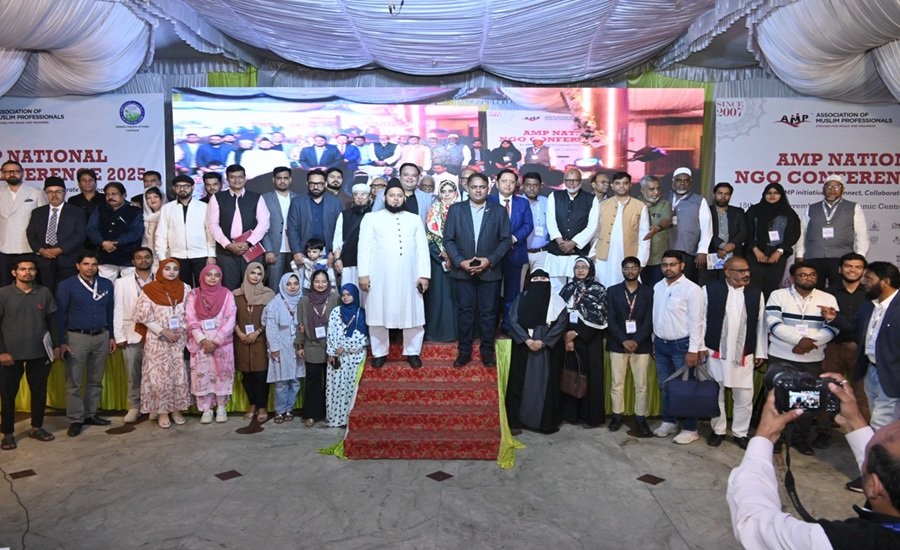
LUCKNOW – The National NGOs Conference 2025 concluded on Sunday with a renewed pledge from hundreds of participating organisations across the country to strengthen cooperation, deepen governance standards and pursue long-term, sustainable models of social and educational development.
Hosted by the Association of Muslim Professionals in collaboration with the Islamic Centre of India here, the second day of the conference expanded on the themes introduced on Day 1, bringing together NGO leaders, policy experts, educationists and development practitioners. The focus remained on moving the sector from fragmented welfare activities to coordinated, scalable impact.
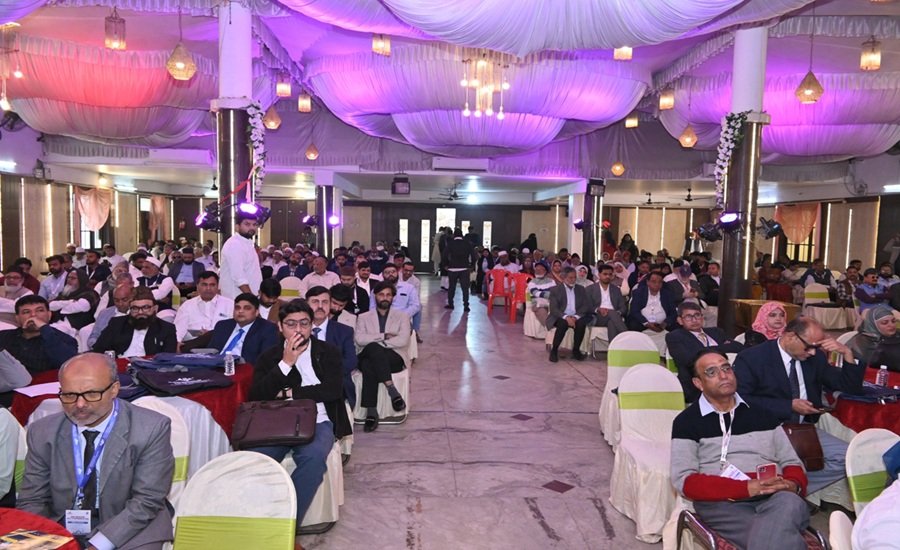
The day began with the Forum for Innovation and Partnerships led by the C-Group, which emphasised digital collaboration tools, shared-resource networks and knowledge exchange as vital instruments to build district-level execution and national-level synchronisation.
A major highlight was the plenary address by Salman U Khan, Senior Program Director at the Piramal Foundation, on “Fundraising Documentation and Donor Relations.” Introducing the SR Fundraising Framework—Readiness, Research, Reach-Out and Donor Methods—he noted that a compelling organisational vision must be backed by accurate documentation, internal financial discipline and evidence-based impact reporting. He urged NGOs to build strong datasets and measurable indicators to secure long-term philanthropic partnerships.
In a continuation of the fundraising track, Saleem Khan, Founder and CEO of Saaras Impact Foundation, spoke on CSR funding opportunities. He stressed that NGOs must upgrade financial accountability systems, invest in trained human resources and adopt rigorous monitoring frameworks to qualify for large, multi-year CSR collaborations.
A widely appreciated session on governance and legal compliance was led by CA Gulzar Karishma of GK Malik & Associates, Hyderabad. Reviewing regulatory trends, especially around FCRA registration, he underscored leadership integrity and transparency as central to institutional growth. Two of his remarks became defining messages of the conference: “Governance is the path to scale and impact,” and “Good governance is not a burden; it is our badge of honour.”
The afternoon sessions shifted to faith-based economic models under the theme Zakat and Awqaf – Divine Tools for Empowerment, chaired by former judge Justice BP Naqvi. Maulana Khalid Rasheed Farangi Mahli highlighted the importance of institutionalising Zakat to support education, healthcare and livelihood programmes. Akramul Jabbar Khan, former Chief Income Tax Commissioner, emphasised the massive untapped potential of Waqf properties and called for regulatory protection and professional management.
Dr Abdul Qadeer of the Shaheen Group presented a Masjid-led Social Transformation model, demonstrating how mosques can operate as hubs for scholarships, literacy programmes and skill-building.
Educationist Uves Sareshwala, speaking on Taleemi Jamaat – Bringing Educational Revolution, highlighted community-driven learning pathways, referencing the AMP Zakat Fund (2013) as a successful structured investment in long-term development.
The concluding plenary, Evolving the Mission from Welfare to Wealth Creation, began with Aziz Ahmed of Intellizign Engineering Services, who presented data on student drop-out patterns and demonstrated how the Abacus Learning System can improve early cognitive development. Dr Abdul Subhan of the Falcon Group discussed the future of schooling and the shift toward blended, technology-assisted learning models in response to changing policies.
Ghulam Zeeshan of Sahara India spoke on evolving from traditional charity to sustainable wealth creation, outlining a multi-layered framework inspired by Islamic Social Finance, East Asian productive-asset approaches, Silicon Valley innovation culture and SME development models. He called for blended finance systems, capacity-building platforms and market pathways to enable shared prosperity and economic dignity.
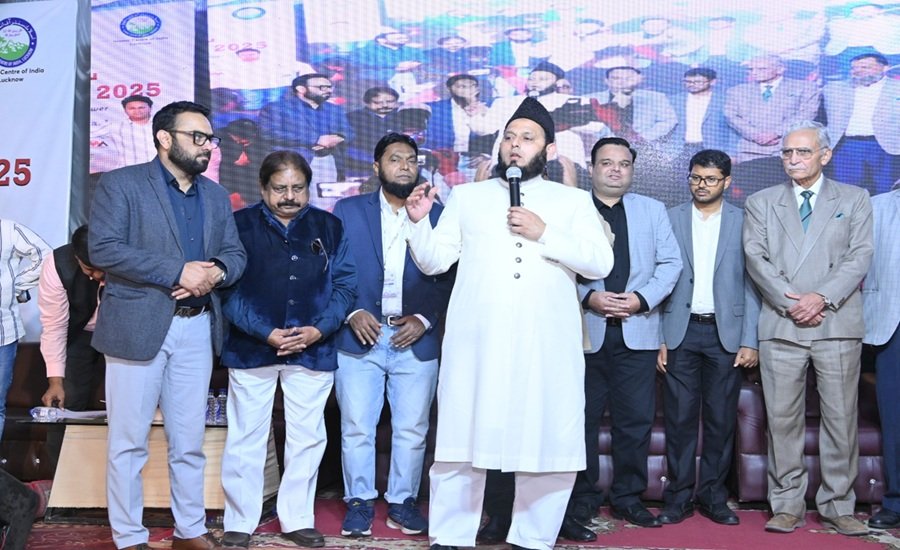
AMP President Aamir Edresy delivered the final address, summarising key insights and urging organisations to transform the conference learnings into measurable, on-ground outcomes. He emphasised that real change emerges when communities build systems that promote dignity, leadership and long-term prosperity.
The conference closed with a shared commitment to strengthen NGO collaboration nationwide, transition from welfare-driven support to empowerment-oriented development and continue building institutions capable of delivering scalable, sustainable impact.


