

The desecration raises concerns over neglect, security lapses and failure of authorities to safeguard Muslim heritage on a busy state highway
AURANGABAD — The historic Shamsher Khan Tomb in Bihar’s Aurangabad district was vandalised and reduced to rubble, even though it is listed as a protected monument under the Archaeological Survey of India (ASI). Both tombs inside the complex were demolished, triggering shock and anger among local Muslims, historians and social activists.
The incident came to light on Wednesday morning after a guard posted at the site informed officials at around 8.30 am. Police and district officials were alerted only after the damage had already been done.
Wasim Aurangabadi, a well-known social activist from Shamsher Nagar, called the incident “deeply painful” and blamed official neglect. “This work has been carried out inside a protected historical building. This is not just damage to stones; it is an attack on our history,” he said.
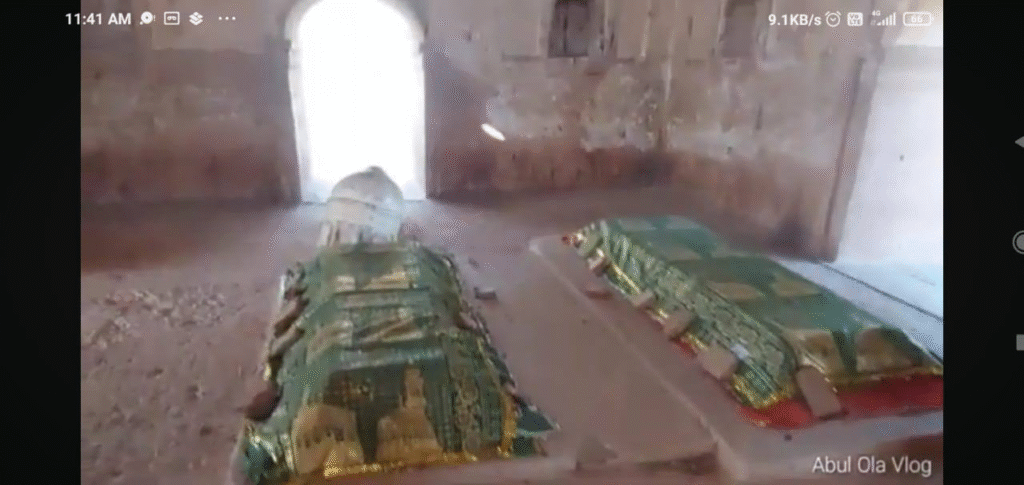
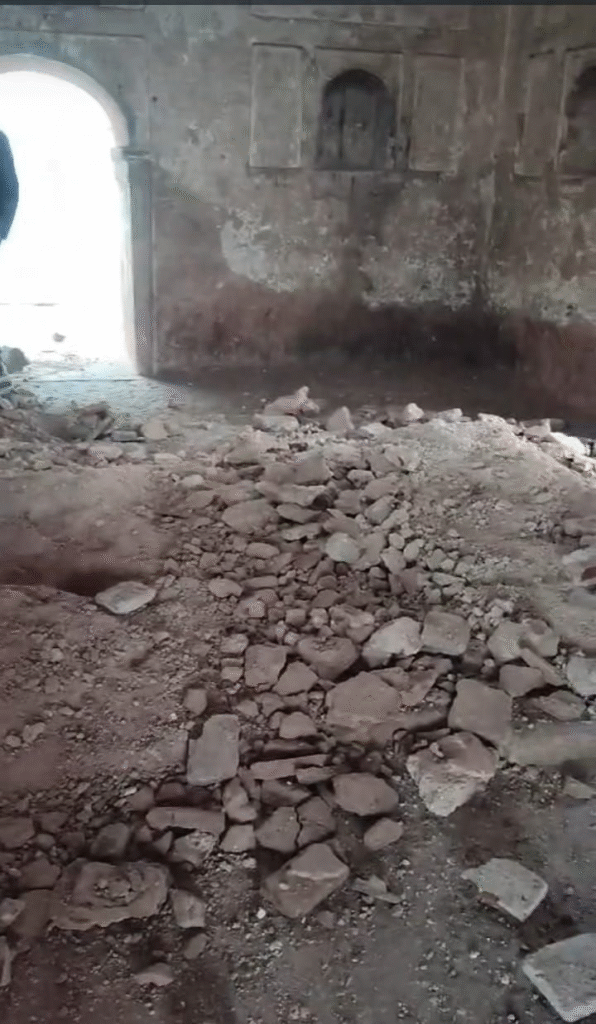
Shamsher Khan, whose real name was Ibrahim Khan Qureshi, served the region as a Faujdar and was known for maintaining peace. He later received the title of Shamsher Khan and was a close associate of the Mughal prince Azim-ul-Shan. In 1702, he was appointed Subedar of Bihar and was later martyred while fighting alongside the prince. He was buried in Shamsher Nagar, the settlement he established.
The tomb complex, located on the main Patna–Aurangabad Road, had also been listed as a tourist site by the Bihar government. Despite this status, locals say the monument was left without proper care or round-the-clock security.
“There were repeated requests to protect this place, but nobody listened,” Wasim Aurangabadi said. “Because of this silence, the entire complex slowly turned into a shelter for anti-social elements.”
He added that his father, the noted poet Nashad Aurangabadi, often visited the tomb. “Shamsher Khan never fought his own people. To see the graves of such a man and his wife smashed like this feels like an attempt to erase memory itself,” he said.
Another activist, Mushtaq Hussain of Shamsher Nagar, echoed the charge of neglect. “We kept asking for maintenance and security. The result is in front of everyone,” he said.
Residents say the site, once called the ‘Mini Taj Mahal’ by locals, lost visitors over time as drug users began occupying the area. “Respectable families stopped coming here because it became unsafe,” a local resident said.
For many Indian Muslims, the demolition has reopened fears about the safety of Muslim historical sites. They say the failure to act, even after warnings, shows a pattern where Muslim heritage is left exposed, unguarded and easy to attack.
As anger grows, activists are demanding a high-level inquiry, immediate arrests of those responsible, and strict accountability of officials tasked with protecting the monument. “If protected sites can be destroyed so easily, then what does protection even mean?” Wasim Aurangabadi asked.


