

There is little doubt that the geopolitical dynamics of the Middle East will undergo a significant transformation
Najmuddin A Farooqi
THE world owes a measure of gratitude to Pakistan’s leadership for its tireless diplomatic efforts as a key interlocutor in brokering a deal between the United States, Israel and Iran. Their approach demonstrated notable wisdom and maturity, reinforcing the belief that diplomacy, even in the most volatile situations, can prevail over conflict. This initiative has not only averted further devastation in Iran and safeguarded the lives of its people, but has also helped protect neighbouring countries from the wider consequences of war, paving the way for a restoration of peace and stability in the region and beyond. Most importantly, it paves the way for a secure and uninterrupted movement of maritime traffic through the Strait of Hormuz.
At the same time, the contributions of Saudi Arabia, UAE, Qatar, Egypt and Turkey must be duly acknowledged. Their collective efforts underline the importance of regional cooperation in resolving crises of such magnitude.
However, the human and structural cost of the conflict remains deeply tragic. The annihilation of Iran’s leadership across multiple tiers, including the Supreme Leader Ali Khomeini, has left a profound vacuum. The war has inflicted severe damage on infrastructure and critical installations, while claiming countless lives. Even before the conflict, Iran’s economy was under immense strain, leading to widespread protests in January 2026, during which hundreds reportedly lost their lives. In the aftermath of the war, the economic situation appears to have deteriorated further, pushing the country back by decades in terms of development and stability.
Another concerning development is the conspicuous absence of the newly appointed Supreme Leader, Mujtaba Khomeini, and the silence of the remaining administration regarding his condition. This uncertainty adds to the already fragile state of the nation.
Many analysts now predict the emergence of a new regional order. There is little doubt that the geopolitical dynamics of the Middle East will undergo a significant transformation. In particular, the Gulf Cooperation Council (GCC) countries may witness a new phase of influence and strength across multiple spheres.
The roles played by US President Donald Trump and Israeli Prime Minister Benjamin Netanyahu, however, remain subjects of sharp criticism. Their approaches are widely perceived as assertive and, at times, excessively force-driven. Netanyahu’s prolonged engagement in multiple conflicts over the past two and a half years has resulted in extensive loss of life. Both leaders have also faced declining popularity, domestically and internationally. In Trump’s case, his often unilateral posture has reportedly strained relationships with traditional allies, including within NATO.
That said, the overwhelming military superiority of the United States remains undeniable. Its armed forces continue to demonstrate exceptional training, technological advancement and operational capability. Equally notable is the emphasis placed on the safety and value of its personnel. Similarly, the professionalism and resilience of the Israeli Defence Forces (IDF), along with the operational excellence of its intelligence agency Mossad, are widely recognised. Instances such as the complex and high-risk retrieval of a seriously injured airman after forty hours highlight their advanced capabilities and preparedness.
Ultimately, there is a sobering lesson to be drawn from these events. Nations must exercise caution in making ambitious claims without possessing the necessary strength, both strategic and economic, to sustain them. It may often be wiser for regimes to maintain constructive diplomatic relations with more powerful states, even if it means making difficult compromises, rather than risking widespread destruction and using their own citizens as the cost of confrontation.
_______________-
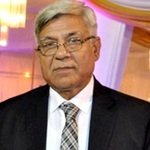
Najmuddin A Farooqi is a Lucknow-based journalist and writer. His areas of interest are social, economic, education and health. The views expressed here are the author’s own and Clarion India does not necessarily subscribe to them.
